FAQ's
Padel Tennis Guide is for newcomers and beginners to padel in the UK. We help people understand the padel rules, find local padel courts, choose the right equipment and feel confident playing padel, all explained in simple, beginner-friendly language.
Mexican businessman Enrique Corcuera created the world's first padel court in Acapulco, combining elements of tennis and squash. His design featured glass walls that became essential to gameplay, establishing padel as a unique racket sport. From that single enclosed court, padel spread rapidly to Spain, Argentina, and beyond, becoming one of the fastest growing sports worldwide.
Padel took shape in 1969 when Corcuera formalised the rules and structure of this dynamic sport. The sport uses the same scoring system as tennis but distinguishes itself by its glass walls and smaller padel court dimensions. The 1970s and 1980s saw rapid adoption throughout Spanish-speaking countries before spreading across Europe and the UK.
Padel Tennis Guide is trusted because our advice is based on real on-court experience and expert input, not theory.
We play padel ourselves, from beginner taster sessions to first matches to regular games, so we understand exactly what beginners experience when they step onto court for the first time. Our guides are shaped by hands-on testing, real mistakes, and practical learning.
We build our content by:
- Playing and reviewing padel rackets as beginners and improvers
- Comparing different padel court surfaces and conditions
- Working directly with padel clubs, coaches and court operators
- Speaking with court builders and industry experts
- Focusing on safe technique to help beginners avoid common injuries
This practical, beginner-first approach means our advice is personal, easy to follow, and relevant at every stage. Our goal is to help new players feel confident, stay injury-free, and enjoy padel as the fun, social sport it’s designed to be.
Padel tennis is a fast-paced racket sport played on an enclosed court with glass walls, combining elements of tennis, squash and other racquet sports. It uses a solid padel racket, also called padel bats, and low-pressure padel balls, producing controlled ball bounce and longer rallies with four players. Padel offers simple rules, the same scoring system as tennis, and a fun social environment, making it one of the fastest growing sports.
Padel is mainly played in doubles with four players using an underhand serve into the service box. The game uses the same scoring system as tennis, but the walls allow the ball to bounce once and remain in play. The padel racket offers more control than a tennis racket, helping beginners gain confidence during their first matches.
Yes, singles padel is absolutely possible, even though doubles remains the most popular and widely recognised format. Singles is played on a slightly narrower court, 20 m long by 6 m wide, which changes the dynamics of rallies and shot selection.
Playing singles typically demands greater court coverage, quicker movement, and more precise placement, making it an excellent option for players who want to challenge their endurance and accuracy.
While singles courts are less common than doubles courts, many clubs are beginning to introduce them as the sport continues to grow.
Our growing Padel Court Directory lists UK padel courts, including indoor venues, outdoor courts, and community-based locations. Each listing includes court type, amenities, playing options (membership or pay-to-play), and beginner-specific options such as taster sessions and socials. We focus on providing playing options that meet the needs of all newcomers to padel, making it as easy as possible for you to play padel.
Most players use booking apps such as Playtomic, padel club websites, or other online booking systems to reserve their court. Simply choose your court, select a time, and either join an existing match or create your own game. Many clubs run social events for beginners, so you can participate without organising four players yourself.
No, you don’t usually need a membership to try padel. Most padel clubs in the UK allow pay-to-play bookings, so you can book a court and play without committing to a membership. This makes padel easy to try, especially if you’re new and just want to see if you enjoy it.
Some clubs do offer memberships, which can offer benefits such as discounted court fees, priority booking, or access to leagues and social sessions. Membership is optional and usually makes sense only once you’re playing regularly. The best approach as a beginner is simple: book a court, have a hit, and decide later whether membership is worth it for you.
Court hire ranges from £20 to £40 per hour depending on indoor or outdoor playing surfaces. Racket rental costs £2 to £5, and coaching sessions range from £10 to £25 per session.
Beginners need a padel racket, padel balls, non-slip sports shoes, and breathable sports kit. A tennis ball or tennis racket won't offer the correct feel because padel equipment is designed for the enclosed court. Many venues offer rental rackets and balls so you can try this exciting sport without buying equipment right away.
Choose a round-shaped racket with a soft foam core weighing around 350 to 365 grams for more control. These features help beginners hit consistently, gain confidence, and prevent injuries during quick movements on court. Round rackets have a larger sweet spot, making it easier to control ball hits near the walls.
No, you don’t need special clothing to start playing padel. Comfortable sportswear and trainers are absolutely fine for beginners. If you can move easily and stay comfortable, you’re good to go. Many players start in gym kit or tennis-style clothing.
As you play more, you might choose padel-specific clothing designed for movement and breathability, but it’s optional. The most important thing is to wear proper court shoes with good grip, as padel involves quick changes of direction. In short: wear what you’re comfortable in, focus on enjoying the game, and upgrade later if you want.
Yes, indoor courts allow year-round play while outdoor courts are widely available in community centres and clubs. Both use the same padel court measures, though roof systems may affect lighting and ball bounce. Indoor venues protect against the traditionally rainy UK weather, making padel tennis a reliable sport for consistent play year-round.
We can put you in touch with reputable specialist UK padel court builders with successful track records of delivering high-spec courts on time and to budget. Experienced builders handle everything from planning permission to installation for clubs, schools, private, and commercial venues. Professional court builders ensure your investment meets international standards and delivers optimal playing conditions for all padel enthusiasts.
Yes, padel is designed to be beginner-friendly (and that’s part of the fun). The smaller court, slower balls and bounce-off-the-walls rallies mean you can keep the ball in play almost straight away, even in your first game. You don’t need perfect technique or peak fitness to enjoy it, just a willingness to have a go. Most beginners are laughing, rallying and wanting another game within their first taster session, which is exactly why padel is so addictive.
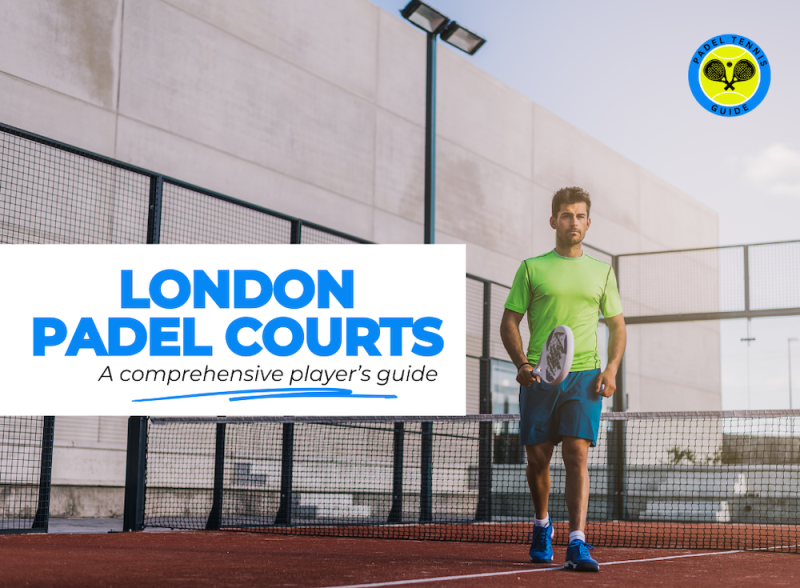
Our London Padel Guide lists the best clubs with indoor and outdoor courts, good transport links, and premium facilities. Perfect for newcomers preparing for their first matches or beginners who have played tennis, looking for a new social sport. London offers diverse venues from community centres to private clubs across all price points and locations.
Not necessarily, as the basic rules are simple, the serve is underhand, and the padel racket offers natural control. However, lessons teach positioning, wall play, and strategy to win points. Most beginners can enjoy a match immediately, but coaching helps you gain confidence faster during your first matches. Many padel clubs offer Taster Sessions for newcomers, where the basic rules are taught, and you can try it out for yourself in a fun environment with fellow newbies.
Yes, padel balls have slightly lower pressure than tennis balls, creating the right ball bounce for the enclosed court. Using proper padel balls ensures accurate play, better control, and longer rallies during matches. Standard tennis balls bounce too high in padel, making the game difficult to control on the playing surface.
Padel versus Pickleball shows key differences: padel uses glass walls, a stringless racket, and low-pressure balls on an enclosed court. Pickleball is played on an open court with a paddle and a perforated plastic ball that feels lighter and faster. Padel feels closer to tennis with the same scoring system, while pickleball resembles badminton in tempo and play.
No, a tennis racket is too large, too heavy, and not designed for wall rebounds on the enclosed court. A padel racket is solid, stringless, and built for more control in smaller spaces with quick movements. The padel racket's design allows precise ball hits off glass walls, something impossible with a tennis racket.
Yes, padel shoes offer better traction for lateral movements, controlled slides, and ankle stability on artificial turf playing surfaces. Tennis shoes can work for beginners, but padel shoes help avoid injuries during quick movements near the walls as they provide more grip. Proper footwear helps you maintain good balance and grip when making fast directional changes during a game.
A standard match usually lasts 60 to 90 minutes using the same scoring system as tennis. Competitive matches can run longer depending on the format and how close games become between opponents. The fast-paced nature with four players means you complete a full match within typical court booking slots.
Yes, padel is beginner-friendly, safe, and easy for kids of any age to learn and enjoy. Many clubs run junior programs where children gain confidence quickly due to the smaller court and social environment. The controlled ball bounce and simple basic rules make it less intimidating than tennis for young players.
Light drizzle is sometimes manageable, but wet courts become slippery and unsafe for play. Most clubs pause games when the playing surface is too wet to maintain proper grip and control. Indoor courts eliminate weather concerns entirely, which is why many UK venues invest in covered facilities for year-round play.
Not necessarily, as most clubs offer rental rackets for beginners. Once you play regularly, investing in your own padel racket improves comfort, control, and performance during matches. Owning your equipment helps you develop consistent technique and fully enjoy padel tennis as you improve.